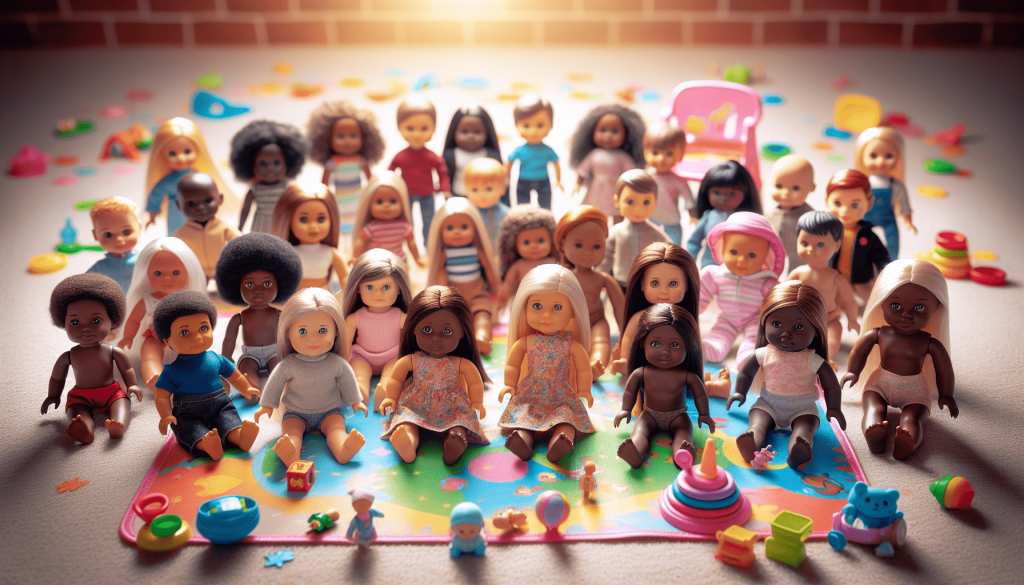
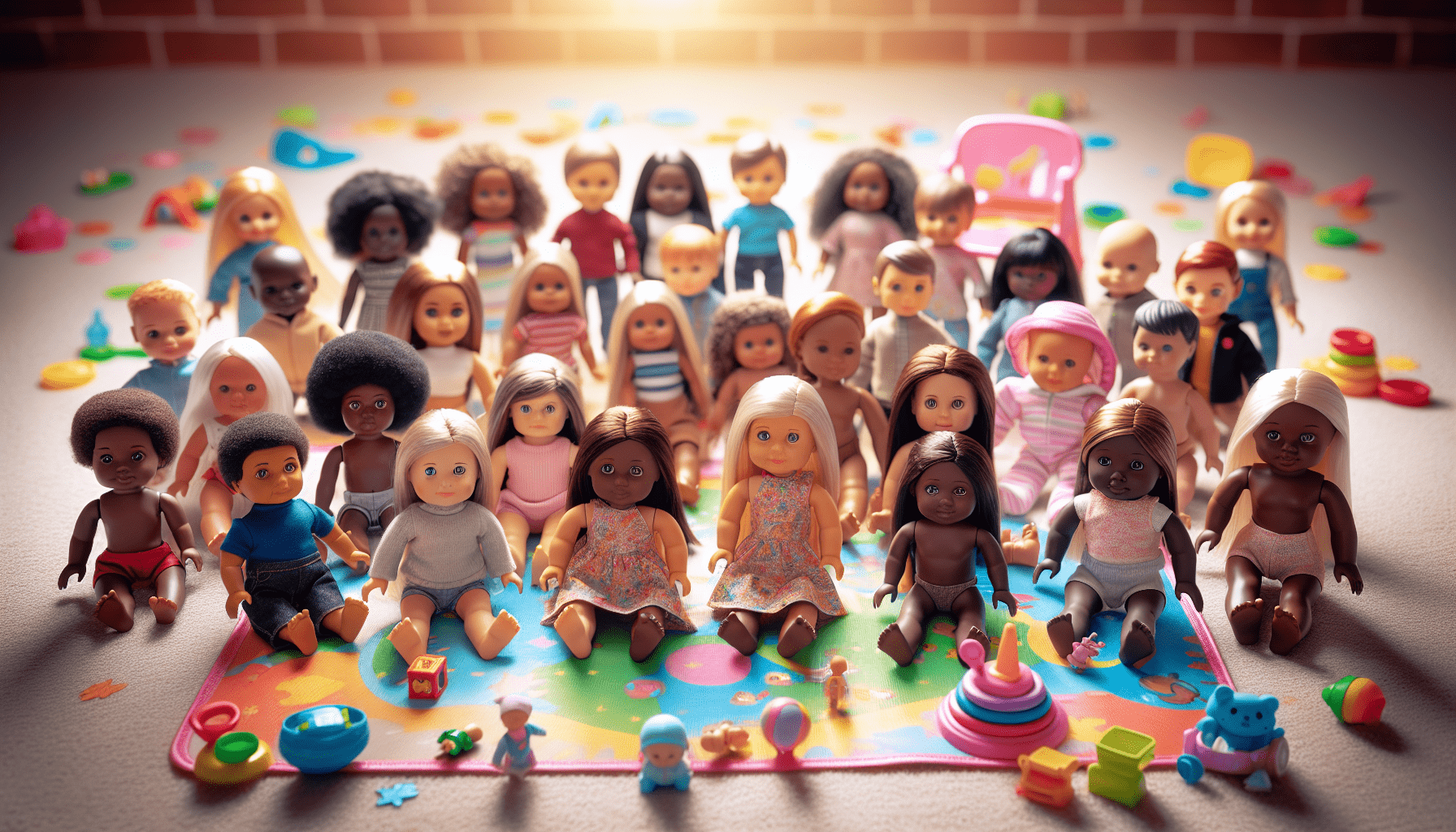
What if the toys you played with as a child could influence your sense of identity and belonging? It’s an intriguing thought, isn’t it? The world of playtime is more than just entertainment; it’s a vital learning experience that often shapes your understanding of society, culture, and yourself. Dolls, in particular, have a unique position in this landscape, and as you think about the toys you engage with today, let’s examine the importance of representation and diversity in having dolls that reflect a variety of backgrounds and identities.

Understanding Representation in Dolls
Representation matters in every aspect of life, but when it comes to toys, it plays a crucial role in how children perceive themselves and others. Dolls serve as mirrors to the world around you. When you see a doll that looks like you, engages in activities similar to yours, or shares characteristics you identify with, it can make a significant impact on your self-esteem and sense of worth.
What Does Representation Mean?
At its core, representation involves showcasing various identities, cultures, and experiences so that individuals feel seen and understood. For you, having dolls from different ethnicities, abilities, genders, and body types can affirm your identity and promote inclusivity.
The Importance of Representation
When you engage with a variety of dolls, it can lead to several positive outcomes:
- Fostering acceptance: Exposure to diversity through play can cultivate acceptance and understanding of differences from an early age.
- Building self-confidence: Children often mirror the traits and aesthetics of their dolls. When they see themselves represented, it fosters a sense of pride and boosts confidence.
- Promoting social skills: Interacting with diverse dolls can enhance your ability to empathize and communicate with others, creating lifelong social skills.
The Evolution of Dolls
Historically, dolls have not always been reflective of the diverse world we live in. The evolution of dolls has undergone significant changes to accommodate a broader representation of identity.
Early Dolls: A Narrow Reflection
In the past, most dolls represented a very narrow demographic. Toys typically embodied Eurocentric beauty standards and often failed to reflect the wide array of cultures and identities existent today. Such limitations can have a profound effect on a child’s developing self-image.
The Shift Towards Diversity
In recent years, the toy industry has seen a growing movement towards more inclusive representation. Many brands now offer dolls that include people of various races, body shapes, and even abilities. The idea here is simple: when you have options that reflect various backgrounds, you’re more likely to engage positively with those differences.
Current Trends in Representation
Toy manufacturers recognize that today’s children come from diverse backgrounds, and they are responding accordingly. The rise of customizable dolls, dolls with different skin tones, hair textures, and cultural attire indicates how the market is shifting to meet the needs of diverse families.
| Industry Trend | Description |
|---|---|
| Customizable Dolls | These dolls allow children to create their own unique doll, reflecting their culture or personal identity. |
| Dolls with Various Abilities | Diversity also includes dolls with disabilities, showing children that everyone is unique, and can overcome challenges. |
| Culturally Inspired Dolls | Dolls that represent cultures from around the world, promoting cultural awareness and education. |
The Psychological Impact of Diverse Dolls
The psychological implications of representation in dolls can be profound. Engaging with dolls that represent diversity not only helps you feel seen but also shapes your worldview.
Self-Image and Identity
When you have dolls that look like you, they can reinforce a positive self-image. A child who identifies with a doll is more likely to reflect that self-esteem in their daily life. It’s essential to acknowledge how significant it is when you can say, “This doll is like me.”
Empathy and Understanding
Using dolls to represent a wide array of identities can enhance your empathy skills. By playing with diverse dolls, you learn to appreciate different perspectives and experiences, giving you valuable insights into the lives of others.
Problem-Solving and Conflict Resolution
In scenarios that involve diverse dolls, you may face challenges that require negotiation and communication. This not only fosters problem-solving skills but also enables you to engage in conflict resolution in a constructive way.
The Role of Parents and Guardians in Play
As a parent or guardian, you have a pivotal role in guiding your child’s playtime experiences. The choices you make can lay the groundwork for their understanding of diversity and representation.
Choosing the Right Dolls
When selecting dolls, it’s essential to look beyond aesthetics. Consider dolls that embody various cultural backgrounds, abilities, and experiences. Encourage your child to understand why representation is important, allowing them to grow up with an appreciation for diversity.
Engaging in Constructive Conversations
Use playtime as an opportunity to engage in discussions about diversity, acceptance, and inclusion. Explaining the backgrounds of different dolls can help your child understand and appreciate the stories and narratives that come with them.
Leading by Example
Modeling behavior is crucial. Let your child see you interacting with diverse communities, learning about different cultures, and celebrating diversity. Children often mimic the actions and beliefs of adults around them.

Aligning Playtime with Educational Outcomes
The toys you engage with during playtime can significantly enhance educational outcomes. By incorporating diverse dolls into play, educational opportunities naturally arise.
Enhancing Cultural Awareness
Using dolls that represent different cultures can introduce your child to various traditions, languages, and histories. This heightened awareness fosters a curiosity about the world, leading to a lifelong love for learning.
Promoting Social Studies
Play with diverse dolls can help reinforce lessons learned in school. Social studies become more relatable when viewed through the lens of diverse representation, allowing children to actively engage with concepts of culture, society, and identity.
Encouraging Creative Storytelling
Storytelling is an essential part of playtime. Dolls from various backgrounds can inspire creative narratives that help to develop language, critical thinking, and imaginative skills. Encourage your child to create stories that celebrate diversity and inclusion.
The Impact of Media and Marketing
As you think about the messages conveyed through media and marketing, it’s essential to consider how they influence toy creation and societal views on representation.
Positive Portrayals
With the rise of socially conscious brands, many companies are committed to positive portrayals of diversity and inclusion in their marketing. You can support these brands that celebrate diversity, reinforcing the importance of representation in all forms.
The Power of Stories
Characters in media often draw from toy lines. For example, if a brand effectively represents diversity within its dolls, children are more likely to see those characters as positive role models. By promoting dolls, you’re also promoting the stories they tell and the values they represent.
Social Responsibility
Brands are recognizing their responsibility to portray inclusion and diversity. When their offerings align with the actual demographic landscape, they not only cater to market demand but also contribute to a more inclusive society.

Addressing Lack of Representation
Even with increasing diversity in dolls, gaps still exist. It’s crucial to address these shortcomings for comprehensive representation.
The Need for Expanded Options
While some companies are beginning to embrace diversity, many still fall short. It’s important for consumers like you to advocate for a wider range of dolls that represent various identity markers, ensuring that all children can find toys they connect with.
Supporting Local and Diverse Brands
Seek out local brands or smaller manufacturers specializing in diversity. By supporting these businesses, you’re contributing to a marketplace that values representation and equity.
Educating Others on the Importance of Representation
Share your insights about the importance of representation in toys with family and friends. By initiating dialogue, you can spread awareness and encourage others to reflect on the toys they choose for their children.
Conclusion: A Call to Action
As you think about the dolls that populate playtime, consider the broader implications of representation and diversity. Engaging with dolls that reflect a myriad of backgrounds and identities contributes to a more inclusive society, shaping how future generations view themselves and others.
By supporting diverse doll brands, engaging in conversations about representation, and advocating for change in the toy industry, you’re taking important steps toward fostering an inclusive environment both during playtime and beyond. So, the next time you see a doll that represents your culture or identity, embrace the moment and recognize its value—both for you and for the community as a whole. Remember, every child deserves to see themselves represented in the world around them, especially in the toys they play with.