

Have you ever stopped to think about how a simple can of Play-Doh can do wonders for your child’s creativity and fine motor skills? It’s fascinating how something that appears quite basic can actually provide a plethora of developmental benefits. Let’s take a closer look at how this colorful modeling compound shapes young minds and hands.
The Origins of Play-Doh
Before we dive into the benefits, let’s take a moment to appreciate the history of Play-Doh, which started as a wallpaper cleaner in the 1930s. It wasn’t until the 1950s that it was repurposed into the beloved crafting material we know today. This transformation was a game-changer, allowing children to use their imagination and artistic abilities to create and play.
What is Play-Doh?
At its core, Play-Doh is a non-toxic modeling compound made primarily of flour, water, and salt. Its pliable texture allows for a myriad of creative possibilities, letting children shape, mold, and create whatever they can dream up. What makes it even more appealing is its easy cleanup and safety for young hands, making Play-Doh a perfect choice for parents seeking fun and engaging activities for their kids.
The Characteristics of Play-Doh
| Characteristic | Description |
|---|---|
| Texture | Soft and pliable, perfect for molding |
| Colors | Available in various bright colors |
| Non-toxic | Made from safe ingredients for children |
| Versatility | Can be used in multiple ways (models, shapes, etc.) |
These characteristics not only make Play-Doh appealing but also provide a rich platform for creativity and motor skill development.
Enhancing Creativity with Play-Doh
Imagination in Action
When you hand your child a can of Play-Doh, you’re essentially giving them the keys to unlock their imagination. The ability to mold shapes, create characters, or construct entire scenes provides limitless opportunities for self-expression. Kids can transform a blob of dough into anything they desire—an animal, a car, or even an abstract sculpture—allowing them to communicate their ideas visually.
Storytelling Through Creation
Creating with Play-Doh isn’t just about making pretty shapes; it’s also about storytelling. As your child shapes figures or scenes, they often craft narratives to go along with their creations. This imaginative play fosters verbal skills and encourages kids to articulate their thoughts and ideas, enhancing both their creative and communication abilities.
Play-Doh as a Learning Tool
You may also be surprised to learn that Play-Doh can be an effective educational resource. Whether creating letters, numbers, or even planets, children can engage in learning activities while having fun. Teachers and parents can facilitate learning by using Play-Doh during lessons, making challenging concepts more accessible and enjoyable.
Developing Fine Motor Skills
Understanding Fine Motor Skills
Fine motor skills involve the coordination of small muscles in the hands, fingers, and wrists. These skills are essential for daily tasks like holding a pencil, buttoning shirts, and zipping up jackets. Developing these skills early on can set the stage for later academic and life success.
Play-Doh Techniques for Motor Skill Development
Using Play-Doh provides various methods to enhance fine motor skills. Here are some techniques that can help:
| Technique | How It Helps |
|---|---|
| Pinching | Strengthens grip and dexterity |
| Rolling | Improves hand and finger coordination |
| Squeezing | Builds hand strength and control |
| Cutting | Enhances scissors skills and hand-eye coordination |
| Flattening and Shaping | Encourages the use of different finger movements |
Each of these techniques can make the process of learning fun and engaging while providing countless hours of entertainment.
Engaging Activities with Play-Doh
Incorporating specific activities using Play-Doh can further develop these fine motor skills and foster creativity. Here are some worthwhile activities to consider:
1. Creating Shapes and Letters
Have your child shape letters or numbers out of Play-Doh. This activity not only promotes creativity but also reinforces early literacy and numeracy skills.
2. Play-Doh Sculptures
Encourage your child to create sculptures of various themes—animals, people, or even imaginary creatures. This open-ended activity allows for freedom of expression while enhancing dexterity.
3. DIY Play-Doh Tools
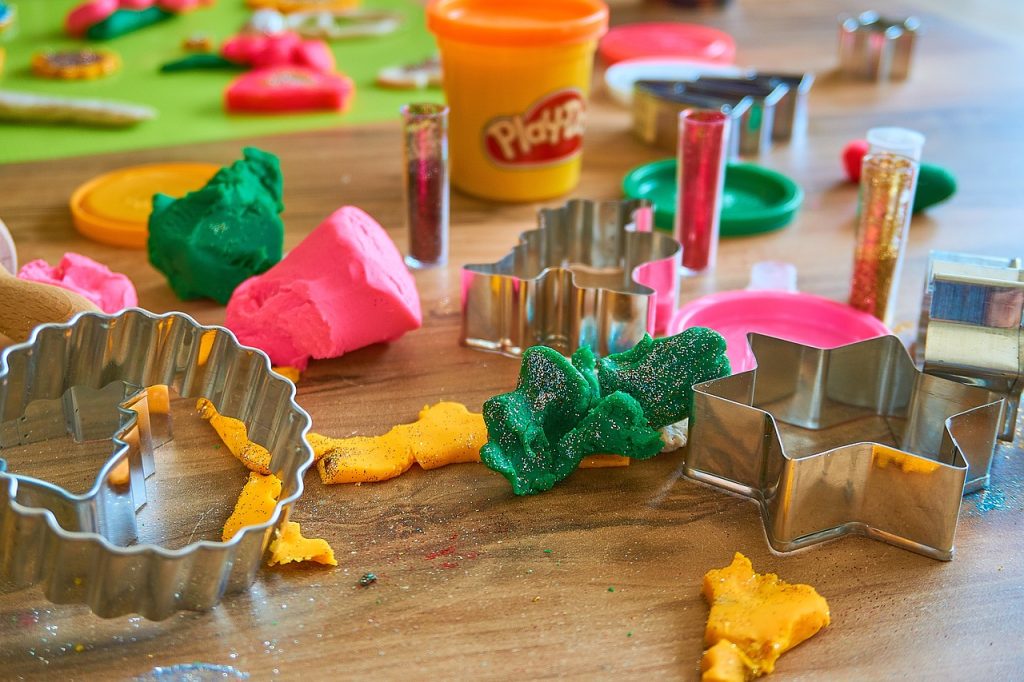
Making tools like rolling pins or cookie cutters can also be a fun way to engage your child in crafting while promoting their understanding of different textures and shapes.
Sensory Play with Play-Doh
Another advantage of using Play-Doh is the sensory experience it provides. Sensory play is crucial for young children as it aids in brain development and helps them understand their surroundings. As they manipulate the dough, children experience various tactile sensations, which can have a calming effect and enhance their focus.
Social Benefits of Play-Doh Play
Cooperative Play
Using Play-Doh can also foster social skills among children when they play together. Sharing materials, collaborating on projects, and providing constructive feedback on each other’s creations can build a sense of community and enhance interpersonal skills.
Conflict Resolution
When crafting with friends, disagreements may arise over how to use the Play-Doh or what to create. These interactions present the perfect opportunities for children to practice conflict resolution skills, learning how to communicate their feelings and negotiate solutions.
The Role of Parents and Educators
Encouragement and Guidance
As a parent or educator, your involvement can significantly influence your child’s development through Play-Doh activities. Encouraging participation and guiding them through challenges can boost their confidence and make the experience more enjoyable.
Setting Up the Environment
Creating a calm, engaging environment for Play-Doh play can further enhance the experience. Ensure the workspace is easily accessible and filled with different colors and tools to encourage creativity. You might also want to include various textures, such as rocks or leaves, for added sensory experiences.
Joining in the Fun
Participating in Play-Doh activities with your child can strengthen your bond while modeling creativity and cooperation. Sharing the activity not only makes it more meaningful but also allows you to guide their exploration and discovery in a friendly manner.

Conclusion: The Lasting Impact of Play-Doh
In summary, Play-Doh is much more than a fun craft material—it plays a vital role in shaping creativity and developing fine motor skills in children. Whether through imaginative storytelling, conflict resolution during cooperative play, or simply manipulating vibrant colors and textures, Play-Doh provides a rich learning experience.
As a parent or educator, nurturing your child’s creativity and fine motor skills through activities with Play-Doh can have long-lasting benefits. The next time you crack open a can of this delightful modeling compound, remember that you’re not just engaging your child’s hands; you’re also inspiring their minds.
So, what will you create today with Play-Doh? The options are as limitless as your child’s imagination!