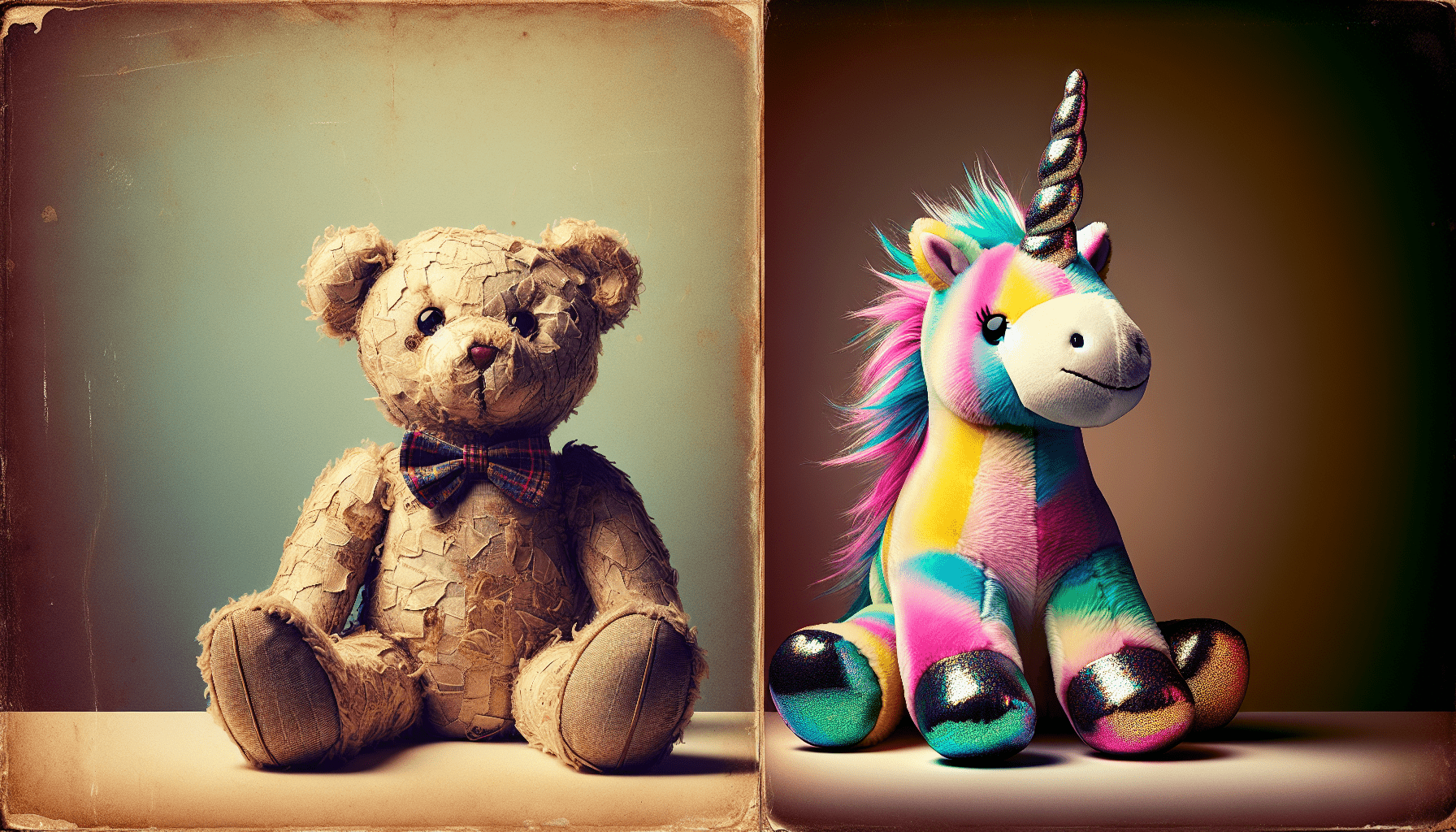
What childhood memory comes to mind when you think of stuffed animals? Perhaps it’s a beloved teddy bear, or maybe a vibrant unicorn plushie that sparked your imagination. Stuffed animals have held a special place in hearts around the world for generations, and their evolution tells an interesting story of creativity, culture, and craftsmanship.
The Origins of Stuffed Animals
The idea of stuffing toys dates back to ancient civilizations, where people crafted figures out of cloth and other materials. Early stuffed animals were not necessarily toys but often served ceremonial or decorative purposes.
The First Stuffed Animals
Stuffed animals began to take on the form we recognize today in the late 19th century. Artists and craftsmen created soft stuffed toys, typically based on real-world animals. These creations were often made with fabric like felt or plush and filled with materials such as straw or sawdust. They were simple yet charming.
The Birth of the Teddy Bear
The teddy bear, one of the most iconic stuffed animals, has a fascinating origin story. In the early 1900s, a cartoon depicting President Theodore Roosevelt refusing to shoot a bear cub inspired the creation of a soft toy bear that would symbolize compassion and care. Ruth Handler, one of the founders of Mattel, is often credited with popularizing the teddy bear, leading to its massive success throughout the 20th century.
The Popularization of Stuffed Animals
As you might understand, the rise of the teddy bear paved the way for an explosion of stuffed animals in the market. Their popularity extended far beyond just children’s toys, impacting culture and consumer habits.
The Role of Plush Toys in Childhood Development
Stuffed animals have always played a vital role in childhood development. They provide comfort, companionship, and a sense of security. Children often engage in imaginative play with their stuffed animals, which can help develop social skills and emotional intelligence.
| Benefits of Stuffed Animals | Description |
|---|---|
| Emotional Support | Can comfort children during stressful times. |
| Social Skill Development | Encourages interaction and role-playing. |
| Creativity Enhancement | Promotes imaginative storytelling. |
| Security | Provides a sense of safety and belonging. |
The Mid-20th Century Boom
Following World War II, the demand for stuffed animals skyrocketed. With economic prosperity in the United States and Europe, manufacturers began producing a vast array of stuffed toys, introducing characters from pop culture, movies, and even fairy tales. This boom changed the landscape of the toy industry and significantly influenced the design and creation of plush animals.
A New Era of Design and Types of Stuffed Animals
As years went by, stuffed animals began to evolve not only in purpose but also in design. Different types emerged to cater to a wider audience and changing trends.
Introduction of Character Plushies
As animation and storytelling gained momentum, character plushies became increasingly popular. Toys inspired by movies, television shows, and books found their way into the hands of eager children. Characters like Mickey Mouse and later, characters from Disney films, helped cement the importance of branded plush toys in the market.
The Rise of Collectible Plush
In the 1980s and 1990s, stuffed animals began to be marketed as collectibles rather than just toys. Companies like Ty Inc., with its Beanie Babies, revolutionized the plush toy market. This shift encouraged not just children, but also adults, to purchase and collect stuffed animals. The idea of rarity and limited editions spurred a collector culture that is still alive today.
Modern Innovations in Stuffed Animal Design
In more recent years, the world of stuffed animals has seen significant innovations, driven by technology and consumer preferences. Today, plush toys serve various purposes beyond mere toys.
Interactive Stuffed Animals
With the advancement of technology, interactive stuffed animals have been designed to respond to touch and voice. These toys can sing songs, tell stories, and even engage in simple conversations. This technological integration not only enhances playtime but also encourages learning.
Eco-Friendly Stuffed Animals
As awareness of environmental issues grows, many companies have started producing eco-friendly stuffed animals. These plush toys are made from recycled materials or organic cotton and filled with sustainable resources. Parents who prioritize sustainability can feel good about including these options in their child’s toy collection.
Custom and Personalized Plush Toys
Another trend gaining traction is the customization of stuffed animals. Manufacturers now allow consumers to design their plush toys, selecting sizes, colors, and even adding personal touches such as embroidering names. This personalized approach ensures that each plush can hold a special sentiment for the owner.
Cultural Impact of Stuffed Animals
Stuffed animals reflect broader cultural trends, and their evolution often correlates with societal changes and movements.
Stuffed Animals in Pop Culture
From cartoons to films, stuffed animals have become prominent figures in pop culture. Movies like “Toy Story” showcase the emotional bond between children and their plush toys, reinforcing the idea that stuffed animals are more than just toys; they are integral to childhood experiences.
Symbol of Comfort and Nostalgia
Stuffed animals often symbolize comfort and nostalgia, reminding adults of their childhood innocence. Many people carry their childhood plushies into adulthood, whether as collectibles or nostalgic memorabilia, creating a lasting connection through the years.
The Future of Stuffed Animals
Peering into the future, it’s fascinating to consider where stuffed animals might go from here. Current trends indicate several potential directions.
Hybrid Toys and Robotics
As robotics and AI technology progress, future stuffed animals might merge with robotic features to create interactive companions. Imagine a plush creature that could not only respond to you but also learn your preferences and personality!
Virtual and Augmented Reality
With virtual and augmented reality becoming more accessible, there’s potential for plush toys to incorporate these technologies. Imagine playing with a beloved plushie that can also come to life through virtual worlds, opening up endless possibilities for imaginative play.
Continued Emphasis on Mental Health and Well-being
As society becomes increasingly aware of mental health issues, the role of stuffed animals in offering emotional support may further grow. Schools, therapists, and mindfulness programs might embrace stuffed animals as comforting companions for kids navigating difficult emotions.
Conclusion
The evolution of stuffed animals, from their humble beginnings to the technologically advanced toys of today, reflects not only changes in craftsmanship and design but also shifts in societal values and consumer demands. As you think back to your favorite stuffed animal and the memories you’ve created with it, you’ll see how these plush companions have remained steadfast through the ages, bringing comfort, joy, and a little bit of magic into our lives.
Maybe your next adventure will involve adding a new plush companion to your collection, or perhaps it will inspire you to share the joy of stuffed animals with the next generation. Either way, the rich history and bright future of stuffed animals ensure they will remain cherished symbols of childhood for years to come.